
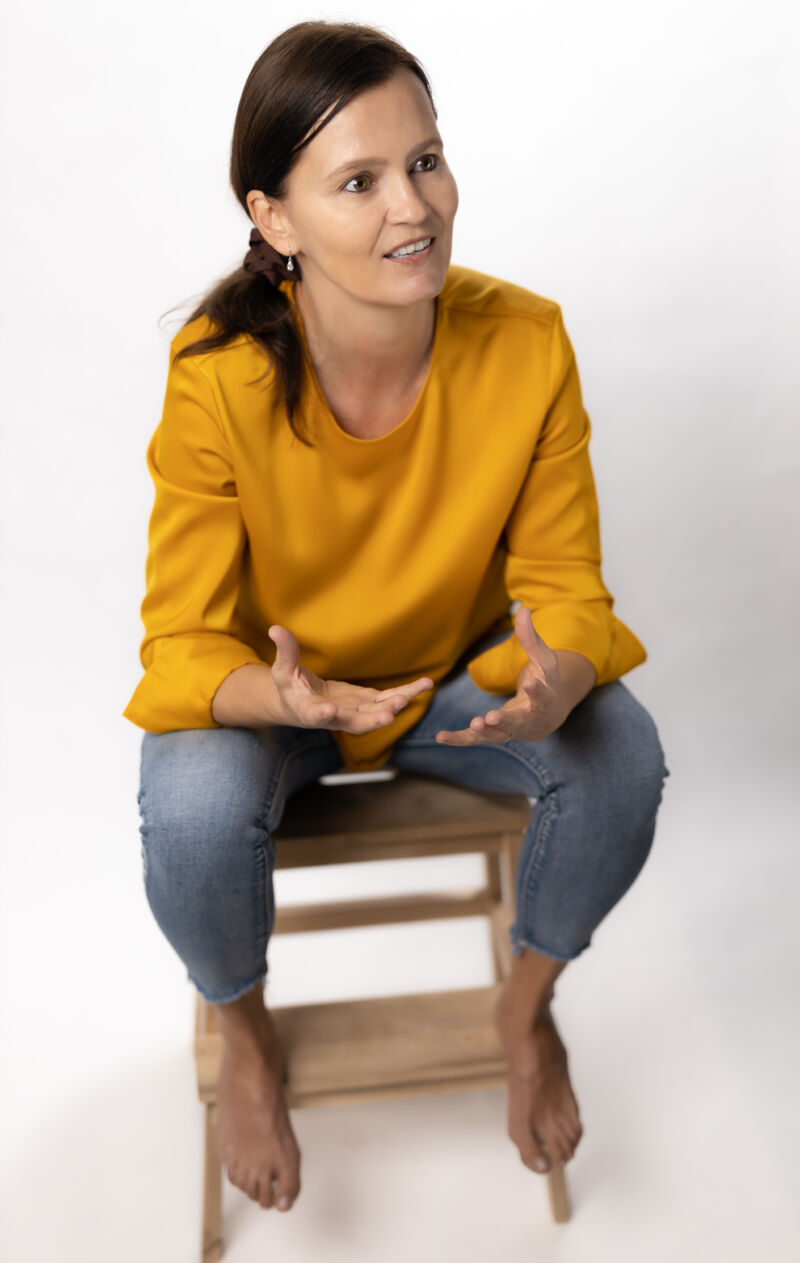
I design and deliver experiential learning programs for organizations across corporate, public sector, non-profit, and Indigenous community contexts. My programs are grounded in theory and built around a clear learning goal. The learning itself happens through experience, not lecture.
How I Design Programs
Every program I design follows David Rock’s principles of adult learning. That means offering different mediums, spacing content for retention, and building in reflection and application. More than methodology, I design for experience. Significant effort and energy go into creating conditions where people share freely and safely.
There is always theory behind the work. Concepts matter. At the same time, I want people to arrive at insight through their own experience. Not because I told them something, but because they felt it, recognized it, or heard it reflected through someone else in the room.
Creating the Space
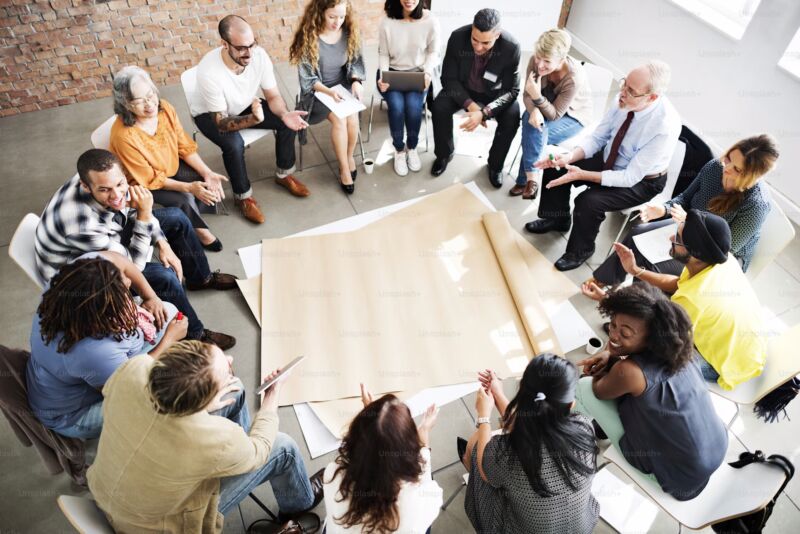
The quality of the space determines the quality of the learning. I work hard to build trust quickly through my own authenticity and vulnerability, by validating every person’s experience, by never forcing anyone to share, and by paying close attention to every single participant in the room.
When people feel safe, something opens up. They share more honestly. They connect more deeply. They start to see that others struggle in many of the same ways they do. That recognition – that we are not alone in our challenges – is often one of the most powerful moments in any program.
Program Themes
Understanding, Managing and Resolving Conflict
Communication and Active Listening
Emotional Intelligence
Neurodiversity and Neuroinclusion
Leadership Development
Collaboration and Team Dynamics
Employee Engagement and Change
Group Coaching vs Facilitated Training
These two modalities are distinct, yet they share the same foundation. In facilitated training, I bring structure, content, and a clear learning arc. In group coaching, I facilitate and hold the space, but the content emerges from the participants themselves. Their experiences, their questions, their peer wisdom. In both cases, the group becomes something greater than the sum of its parts. It develops its own identity, its own dynamic. And that is where the real work happens.
